
Here we go again another we want to devour it all agent munching around the planet like pac man trying to digest it all but as far as i can see do little else.
The collection of information for the sake of it?
Yes, you guessed it ,they are “Building The Future of Law”.
How many times have I heard that in the 25+ years or scribbling on this site.
Don’t start me on the use of the word hunter. It’s a combination of this ….

and this

As an open source project I sort of get the the thinking of Legal Data Hunter but they will get themselves in trouble Ross vs Westlaw and the just wrapped up Caseway – CANLII affair that I literally posted on 20 minutes ago and if they try to nick information off the likes of CANLII, AUSTLII, SAFLII etc, pushback is inevitable.
Their project also belies their lack of knowledge on how the duopoly tie up a lot of information in jurisdictions outside the US in secretive and complicated deals that feel as though they can never be unpicked.
As i have noted in previous jeremiads I don’t see much difference between these projects and what Lexis, Westlaw and now V-Lex are doing whether it be legislation, regulations or case law.
It’s just that these behmoths are much further down the road and have eventually worked out how to provide the analysis and workflow tools through their legacy systems to get lawyers to keep spending the money with them.
Also it appears they are letting the agents do all the work at Legal Data Hunter .. is there editorial oversight and if so what is it?
Their post below suggests that’s currently what they are trying to get for free.
I still argue that the AI is still better used for slice and dice and choosing a topic, jurisdiction, industry, legal idea and then using AI in conjunction with the best traditional editorial oversight to create a service / publication that people may want to use for decades because it is a “brand” and they trust it.
One thing we are learning about AI is that there isn’t much in terms of trust of the information in terms of telling the judiciary porky pies, lazy lawyers, honest mistakes.. the list is endless.
In my thinking if you can create a high value publication that people will pay for, as many do, for decades in and out, and then marry “old” publishing with new “publishing”, call it tech if you will.
I still think of it as publishing with extra tools at your disposal and tools that need to be used judiciously and wisely.
Chitty on Contracts isn’t sexy but it is still selling in its 36th edition

Neither is Theobald on Wills but it is in its 20th ed and was first published in 1876

These two tomes might appear to be as dull as dishwater but they have history and a humanistic touch at their disposal and that is what professionals love especially good legal professionals.
I try and think of these publications with a 21st century hat on
Victorian publishers and legal scholars identified a topic, as we all know from our ploughing through Dickens, wills and estates were a major pre-occupation and will remain so for time immemorial, thus was born a publication celebrating 150 years of coverage and still popular in print too.
I suggest rather than trying to do it all, the secret is to look at the planet rather differently as we end the first quarter of this century and identify an issue and or topic that may occupy the minds of lawyers for the next 100 + years and create for them “publications” containing all primary and secondary resources and the best analysis and insight updated regularly. Who remembers loosleafs?
Present your end publication with great UX and maybe even have a bit of fun with printing and legacy branding to use the parlance of today.
Personally I’m permanently fascinated by humans and the concept(s) of sin.. timeless but always in flux.
So, for me, the issues surrounding “illegal drugs” make for perfect subject matter and I have decided that will be where I want to concentrate my mind.
Little if anything has been done to formulize a legal library on this topic that can think globally and locally at the same time. The technology of today allows us to do that and the history of publishing teaches us how to present it so that it can be reliable and trusted information
A first baby step here https://lexi-cann.com/ which will teach me how to apply the topic approach to the plethora of “drugs” already out there but also create a disciplined publishing approach to the tsunami of synthesized drugs that the democratization of technology is about to dump on our proverbial doorstep.
If i can build a trusted library that lawyers can instictively learn to use and understand that has to be a positive outcome for the profession and more importantly the people they represent in their work and in turn society at large.
I also read this in the Guardian on the weekend
Put down your negroni, hang up your Prada handbag and pick up a paperback. Next time someone whips out their phone to take your picture, grab your reading specs, not your lipstick. Smart is the new hot.
Pop stars are launching book clubs – the 1970s had Studio 54, this decade has Dua Lipa’s online literary salon Service95 – or joining Substack, where Charli xcx recently published a 1,800-word essay interrogating why it is that as a pop star “you cannot avoid the fact that some people are simply determined to prove that you are stupid”. The supermodel Kaia Gerber (who is fashion royalty – her mum is Cindy Crawford) passes the time backstage at fashion week reading Didion, Duras and Camus, not Vogue.
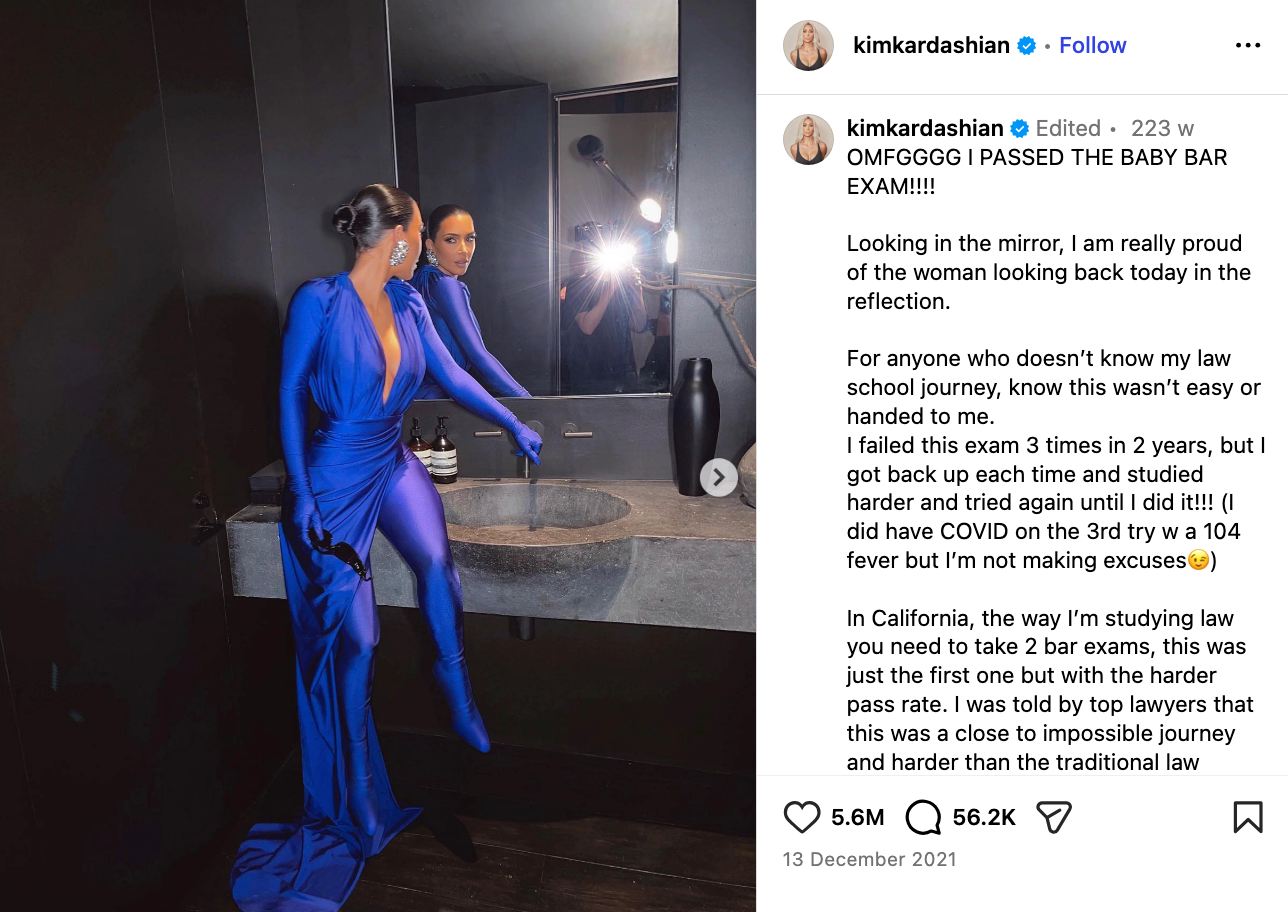
Gen X are saying books are cool which insinuates that ideas and thinking are cool again ..phew! and the article even references Kim Kardashian’s Homeric Odyssey in pursuit of Californian Bar exam success
OK I digress somewhat but books, ideas, thinking never went away they were just subsumed by anti-intellectualism and the desire of technology corporations to run it all and have it all.
Yes, that’s the side of history that the likes of Lexis & Westlaw have decided to place themselves and I implore the new lawyers, technologists, information organisers such as the founder(s) of Legal Data Hunter not to just collect but also present ideas about legal publishing that are radically different from the existing milieu.
For me personally i dream of a legal publishing imprint that makes me feel like this
or this

As posted on Linked In





For the past 2 months, an AI agent has been autonomously indexing the law.
This agent is called the Legal Data Hunter.
In order to build the world’s first omni-jurisdiction legal database, it writes & tests data-collection scripts for open data legal sources around the world every 30 minutes.
Today those scripts are being open-sourced (together with the database bootstrap tools) under the AGPL-3.0 License.
Current status:
• 351 collection scripts running,
• hundreds more sources planned,
• 109 blocked sources under investigation (they need your help !)
• 10 under maintenance.
Already 14,000,000+ legal documents indexed & growing every day.
The goal is simple:
Build the open data layer for multi jurisdictional legal AI.
Researchers/Developers/Lawyers can:
• vote on the next jurisdictions and legal sources to index,
• search the corpus via the map or API/MCP so their AI agents can do multi-jurisdictional legal research,
• inspect and run the scripts themselves to collect data from any jurisdiction.
You may request new sources / countries and submit feedback on any source directly from the map or through MCP.
In many cases a new legal source can be fully indexed in 24–48 hours.
We’re also looking for Jurisdiction Leads — people who want to help make sure we have exhaustive coverage in their country. Please reach out if you’re interested !
If you’re working on legal AI, comparative legal research, or access to law, this is infrastructure being built for you.