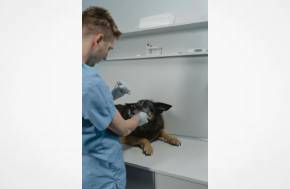
Pets are often considered beloved members of the family, and when they are injured, the emotional impact can be just as severe as any human injury. Unfortunately, determining who is legally responsible when a pet is harmed is not always straightforward. Liability can depend on a range of factors, including where the incident occurred, who was involved, and the specific circumstances surrounding the injury. Understanding how the law approaches these situations helps pet owners protect their animals and make informed decisions if something goes wrong.
How the Law Views Pets and Property
From a legal standpoint, pets are generally classified as property rather than individuals. While this classification may feel impersonal, it plays a major role in how liability is determined. When a pet is injured, the case is often handled similarly to other property damage claims, though courts may consider emotional distress in some situations.
This means that compensation typically focuses on veterinary expenses, replacement value, or related financial losses. However, as attitudes toward pets continue to evolve, some jurisdictions are beginning to recognize their unique role in families. This shift can influence how cases are handled, particularly when injuries are severe or involve negligence.
Liability in Accidents and Negligence Cases
One of the most common ways pets are injured is through accidents caused by negligence. For example, a driver who hits a dog due to reckless behavior may be held responsible for the resulting harm. Similarly, if a property owner fails to secure hazardous conditions that lead to injury, liability may fall on them.
Negligence is generally determined by assessing whether a person failed to act with reasonable care. If their actions, or lack of action, directly caused the injury, they may be held accountable. Evidence such as witness statements, photos, and veterinary reports often plays a key role in establishing responsibility.
In these cases, legal professionals can help clarify liability and guide pet owners through the process of seeking compensation. Having proper documentation and a clear understanding of the incident strengthens the ability to pursue a claim effectively.
Injuries Involving Other Animals
When one pet injures another, determining liability can become more complex. Most states have laws that hold animal owners responsible for controlling their pets, particularly if the animal has a history of aggression. If a dog attacks another pet, the owner may be held liable for damages, especially if they failed to take reasonable precautions.
In situations involving aggressive behavior, consulting a dog bite attorney can help clarify legal options. These professionals understand the nuances of local laws and can assist in determining whether the responsible party failed to meet their obligations as a pet owner. This guidance is particularly important when dealing with injuries that require extensive medical treatment.
Veterinary Malpractice and Professional Responsibility
Liability is not always limited to accidents or other pet owners. Veterinary professionals can also be held responsible if a pet is injured due to improper care or negligence during treatment. While most veterinarians provide high-quality care, mistakes can happen, and when they do, they may lead to legal claims.
Veterinary malpractice cases often involve proving that the provider did not meet the accepted standard of care. This can include misdiagnosis, surgical errors, or failure to provide appropriate follow-up treatment. These cases can be complex, requiring expert testimony and detailed analysis of medical records.
For pet owners, understanding this area of liability ensures that they know their rights if a procedure or treatment leads to unexpected harm. Addressing these issues promptly can help prevent further complications and ensure accountability.
Responsibilities of Pet Owners
Pet owners themselves also carry responsibilities that can affect liability. Keeping pets secure, following local leash laws, and providing proper supervision are all critical steps in preventing injuries. If an owner fails to meet these responsibilities, they may be held partially or fully liable if their pet is injured.
For example, allowing a dog to roam freely in an unsafe area could reduce or eliminate the owner’s ability to seek compensation if an accident occurs. Similarly, failing to disclose a pet’s aggressive tendencies when required by law can impact legal outcomes.
Understanding these responsibilities helps pet owners take proactive measures to protect their animals. It also ensures that they are prepared to demonstrate responsible behavior if legal questions arise.
Conclusion
Determining liability when a pet is injured involves a careful examination of the circumstances, the parties involved, and the applicable laws. From accidents and animal interactions to professional care and owner responsibility, many factors can influence the outcome. By understanding how the legal system approaches these situations, pet owners can better protect their animals and respond effectively when challenges arise. Being informed not only helps in addressing current issues but also supports safer and more responsible pet ownership in the future.