C/- IAPL
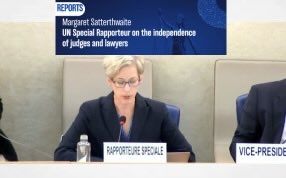
A few days ago, I presented my report, “The Right of Indigenous Peoples to Maintain and Develop Justice Systems,” to the 59th session of the Human Rights Council.
Indigenous justice systems are integral to the autonomy and self-determination of Indigenous Peoples. They are essential not only for Indigenous governance, but also for resolving disputes and strengthening community resilience. These systems are critical for ensuring justice that is “culturally resonant, responsive, accessible, and effective”—especially where Indigenous Peoples face systemic discrimination.
|
|
International law is clear: Indigenous Peoples have the right to maintain, strengthen, promote, and develop their legal institutions and juridical systems. Yet in practice, many Indigenous justice systems still face serious challenges, including:
- Non-recognition of their authority
- Legal and practical restrictions on their jurisdiction
- State systems failing to adapt to Indigenous realities
|
|
|
|
|
|
|
|
|
|
|
|
|
States should recognize Indigenous Peoples’ justice systems in constitutional or other legal provisions. The decisions of these systems must be respected, and States should refrain from criminalizing Indigenous authorities.
Finally, I urge States to support an Indigenous-led process to define principles guiding the interaction between Indigenous and ordinary justice systems—and to build blended, respectful, and rights-based judicial approaches.
|
|
[pdf-embedder url=”https://practicesource.com/wp-content/uploads/2025/07/a-hrc-59-52-aev.pdf”]