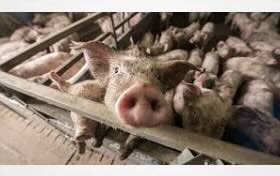
Factory farms produce staggering amounts of manure and, in theory, there are strict regulations in place to keep it from contaminating nearby waterways. But in practice, many of these companies have found a hidden way to make millions of gallons of waste effectively disappear — at least, in the eyes of the law — with no oversight or accountability as to where it ends up or what pollution it causes. Welcome to the world of manifesting.
Also known as “distribution and utilization,” manifesting is a process whereby large factory farms transfer their manure to smaller farms that aren’t subject to manure disposal regulations. These secondary farms are often shrouded beneath complex layers of Limited Liability Companies (LLCs), making their ultimate ownership difficult or impossible to determine. Some of them are owned by the factory farms themselves.
In effect, manifesting is a regulatory shell game that allows large factory farms — also known as concentrated animal feeding operations, or CAFOs — to sidestep environmental regulations and avoid legal responsibility for their manure polluting the water, all while staying within the bounds of the law.
CAFO Waste at a Glance
Livestock in the U.S. produce an estimated 885 billion pounds of manure every year. This manure is typically dealt with in one of two ways: it’s either stored in some type of container or applied to cropland as fertilizer.
Both methods can result in manure leaking into nearby waterways. Storage containers can leak. Manure spread on fields can be carried into lakes, streams and rivers by rain and other weather conditions, a phenomenon called runoff. The form of pollution is a major problem, and it’s the one that the process of manifesting enables.