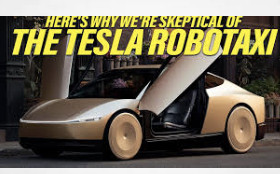
Tesla’s plan to brand its autonomous network of taxicabs has found an interesting little snag. The US Patent and Trademark Office (USPTO) has issued a “nonfinal office action” regarding Tesla’s application to trademark the term “Robotaxi” specifically in connection with autonomous electric vehicles.
This is an initial refusal by USPTO’s examining attorney and is very particular for autonomous electric automobiles. A separate trademark application by Tesla for the term “Robotaxi” as it relates to its upcoming autonomous ride-hailing service is still under examination and has not yet received a similar rebuttal.
Understanding the Refusal
A “nonfinal office action” means the USPTO has found potential issues with the trademark application, as stated, which prevents its immediate approval and subsequent granting to Tesla. Tesla now has a three-month period to file its counterarguments and address the USPTO’s concerns.
If Tesla’s response satisfies the examiner, the trademark could be granted.
While the exact content of the office action isn’t detailed in the initial report, such refusals for terms like “Robotaxi” often occur if the USPTO considers the term “merely descriptive” or “generic” for the goods in question. In this particular context, “Robotaxi” could refer to any autonomous taxi vehicle.
Trademark law generally prevents the exclusive registration of terms that competitors would need to use to describe their own similar products. For a term to be trademarked, it typically needs to be distinctive and act as a brand identifier rather than just a descriptive name of the product’s class or type.
Separate Application for Ride-Hailing
Tesla still has a distinct, separate, and still pending application to register “Robotaxi” as a trademark for “transportation services, namely, autonomous ride-hailing services.” The criteria for trademarking a service can differ from those on trademarks for goods, and it’s possible Tesla may have more success securing the name for the service itself, which would allow them to brand the network as “Tesla Robotaxi.”
Why This Matters
Securing a trademark grants exclusive rights to use a brand name in conjunction with specific goods or services. This helps prevent customer confusion and to protect the brand identity.
If the refusal for the vehicle trademark becomes final, Tesla may be limited in its ability to exclusively name a good (specific vehicle) the “Tesla Robotaxi.” Other manufacturers could also potentially use “robotaxi” descriptively for their own autonomous taxi vehicles.
The ability to trademark “Robotaxi” for the ride-hailing service is arguably more critical for Tesla, as they’re working to establish a unique brand for their autonomous transportation network, which kicks off in Austin next month.
The USPTO’s office action won’t hinder Tesla’s ability to develop or deploy its own vehicles in June – instead, it’ll just impact how Tesla can brand the app and their vehicles, which could cause some last-minute delays if they have to rebrand.
Cybercab and Robovan/Robobus Trademarks
While Tesla is facing challenges with the broader Robotaxi term for vehicles, the company is also seeking to trademark “Cybercab,” “Robovan,” and “Robobus.” Securing a less descriptive name for the vehicle itself often has a higher chance of success with USPTO, as it is far more distinctive than a more general term like “robotaxi.”