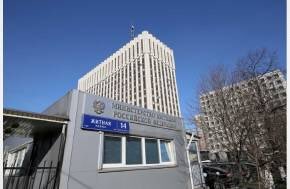
The BBC’s Russian Service has documented how pressure on independent lawyers in Russia is intensifying, with the Justice Ministry increasingly seeking to strip attorneys of their licenses if they leave the country but continue practicing remotely.
In 2023, musician and activist Anatoly Berezikov died in detention in Rostov-on-Don. Before his death, he told his lawyer, Irina Gak, that he had been tortured and threatened by the FSB. Gak documented marks on his body that she said were consistent with electric-shock torture and spoke publicly about the allegations. Days later, security officers searched her home. She left Russia shortly afterward.
In June 2025, the Rostov regional bar association revoked Gak’s legal status at the Justice Ministry’s request.
A similar fate befell Olga Gnezdilova, a lawyer from Voronezh who spent nearly two decades representing victims of police torture and domestic violence. After receiving anonymous threats against her family, she left Russia prior to the full-scale invasion of Ukraine. In September 2025, her regional bar association stripped her of her legal status.
Under Russian law, only regional bar associations can revoke a lawyer’s license. The Justice Ministry has no formal authority to do so and traditionally could not challenge such decisions in court.
Efforts by the ministry to push bar associations to remove lawyers from their rolls who have left Russia have met some resistance. Bar associations in Moscow and Leningrad Oblast refused requests to revoke the licenses of several prominent attorneys, including Yuliy Tay, founder of the Bartolius law firm, and Yevgeny Smirnov, of the human rights group Pervyi Otdel (First Department), known for defending clients accused of treason and other national security offenses.
After those refusals, the Justice Ministry took an unprecedented step. In April 2026, it challenged the Moscow bar association’s decision in court and won. The ruling cited the lawyers’ departure from Russia and failure to return.
Critics say the case threatens the independence of the legal profession. Even Svetlana Volodina, head of the traditionally pro-government Federal Chamber of Lawyers, criticized the court action, calling it “an unacceptable precedent of subordinating professional self-governance to the executive branch.”
The ruling is under appeal. But lawyers warn that if it stands, the ministry could use courts to remove not only attorneys living abroad but also lawyers inside Russia who take independent positions.
“If 10 or 20 prominent lawyers lose their licenses, everyone else will understand the message,” Tay said. “Lawyers who fear their opponents are no longer lawyers.”