On April 18, 2023, a last-minute $787.5 million settlement agreement was reached in Dominion Voting Systems’ defamation lawsuit against Fox News and its parent corporation, in which the voting technology company claimed the network knowingly spread false claims that Dominion’s technology was used to rig the 2020 presidential election.
During a trial, 12 jurors would have had to decide if Dominion could prove, under the New York Times v. Sullivan standard of “actual malice,” whether Fox aired those falsehoods about Dominion knowing that they were false or with reckless disregard for the truth.
For months, the case made headlines as the pre-trial deposition testimony from Fox Chairman Rupert Murdoch and Fox hosts — along with internal documents, emails and messages — provided a behind-the-scenes look into the networks’ actions and motivations.
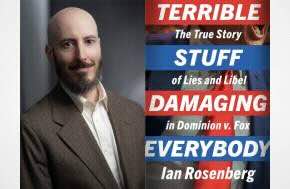
To learn more about the litigation, First Amendment Watch interviewed media law attorney Ian Rosenberg, adjunct associate professor at Brooklyn College who has more than 25 years of experience specializing in First Amendment and libel law. He discussed his new book “Terrible Stuff Damaging Everybody: The True Story of Lies and Libel in Dominion v. Fox.”
Rosenberg argued that:
- The overwhelming internal evidence created a case of “textbook libel.”
- The Dominion case proves that the “actual malice” standard is necessary.
- Even without a jury verdict, Dominion v. Fox sets a powerful precedent.
Watch the full interview below:
Media Attorney Ian Rosenberg on Dominion v. Fox and His New Book ‘Terrible Stuff Damaging Everybody’