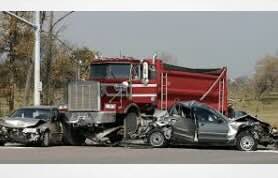
Commercial truck accidents can result in serious injuries, property damage, and even fatalities. Due to the size and weight of commercial trucks, accidents involving them often cause more severe consequences than typical car accidents. One key question that often arises after such incidents is whether the trucking company itself can be held liable for the accident. Understanding liability in these cases is essential for protecting your rights and pursuing fair compensation.
1. Understanding Commercial Truck Liability
Liability in commercial truck accidents can be complex because multiple parties may share responsibility. Potentially liable parties include:
- The truck driver
- The trucking company or carrier
- Vehicle manufacturers (in cases of mechanical failure)
- Other drivers involved in the accident
- Contractors or leasing companies
Trucking companies can be held liable if their actions—or failure to act—contributed to the accident. This liability is often referred to as “vicarious liability,” where an employer is responsible for the actions of an employee performed within the scope of employment.
2. Common Ways Trucking Companies Can Be Liable
Trucking companies have a legal duty to ensure their drivers operate vehicles safely and that trucks are properly maintained. Liability may arise under several circumstances, including:
- Negligent Hiring or Supervision: If the company failed to properly vet drivers or ignored warning signs about unsafe driving habits, they may be liable.
- Driver Fatigue Policies: Federal regulations limit the number of hours a commercial driver can operate without rest. If a company encourages or pressures drivers to exceed these limits, they may be responsible for resulting accidents.
- Improper Maintenance: Failure to maintain trucks, such as brakes, tires, or lights, can result in mechanical failures that cause accidents.
- Violations of Safety Regulations: Trucking companies must comply with federal and state safety regulations. Violations, such as ignoring inspection requirements, can establish liability.
- Load and Cargo Issues: Overloading trucks or improperly securing cargo can lead to accidents for which the trucking company may be responsible.
3. Determining Liability in a Truck Accident
Establishing liability in a commercial truck accident often involves gathering substantial evidence. This may include:
- Accident reports and police records
- Truck driver logs and employment records
- Vehicle maintenance records
- Black box data from the truck’s onboard computer
- Witness statements and expert testimony
A skilled truck accident lawyer can help collect and analyze this evidence to determine the extent of the trucking company’s liability.
4. Shared Liability
In many cases, liability may be shared among multiple parties. For example, the truck driver may bear some responsibility for the accident, while the trucking company may also be liable for negligence in hiring, training, or maintaining the vehicle. Other drivers, contractors, or equipment manufacturers may also share liability depending on the circumstances.
Understanding how liability is divided is critical for pursuing fair compensation and ensuring that all responsible parties are held accountable.
5. Types of Compensation
If a trucking company is found liable, victims may be entitled to compensation for a variety of damages, including:
- Medical Expenses: Hospital bills, surgeries, physical therapy, and long-term care costs.
- Lost Wages: Compensation for income lost due to injury or inability to work.
- Property Damage: Repair or replacement of vehicles and other personal property.
- Pain and Suffering: Physical and emotional distress caused by the accident.
- Future Expenses: Ongoing medical treatment or loss of earning capacity for long-term injuries.
An experienced attorney can help calculate the full value of damages and ensure that all recoverable costs are included in your claim.
6. The Role of a Truck Accident Lawyer
Commercial truck accidents are often more complicated than typical car accidents. A truck accident lawyer can provide invaluable guidance, including:
- Investigating the accident thoroughly
- Gathering evidence to establish liability
- Communicating with the trucking company and insurance providers
- Negotiating settlements on your behalf
- Representing you in court if a fair settlement cannot be reached
Having professional legal representation increases the likelihood of a favorable outcome and ensures that your rights are protected throughout the claims process.
7. Challenges in Trucking Accident Cases
Truck accident claims can be challenging for several reasons:
- Large Insurance Policies: Trucking companies often carry substantial insurance, and insurance adjusters may attempt to minimize payouts.
- Complex Regulations: Federal and state regulations governing trucking can complicate liability determinations.
- Multiple Parties: The involvement of drivers, companies, manufacturers, and other parties can make claims more complex.
- Serious Injuries: Severe injuries may require extensive documentation of medical treatment and long-term care needs.
Working with a qualified truck accident lawyer helps navigate these challenges and build a strong, evidence-backed case.
8. Statute of Limitations
Each state has a statute of limitations, which is the deadline for filing a personal injury claim. Missing this deadline can prevent you from seeking compensation, even if your case is valid. Consulting a lawyer promptly ensures your claim is filed on time and in compliance with all legal requirements.
Conclusion
Determining whether a trucking company is liable in a commercial truck accident requires careful investigation and legal expertise. Trucking companies can be held responsible for negligent hiring, supervision, vehicle maintenance, safety regulation violations, and more. Liability may also be shared among multiple parties, making it essential to understand your rights and the scope of potential compensation.
Consulting a skilled truck accident lawyer ensures that you have professional guidance throughout the claims process. From gathering evidence to negotiating with insurance companies and pursuing litigation if necessary, an attorney can help protect your rights and maximize your recovery after a serious truck accident.