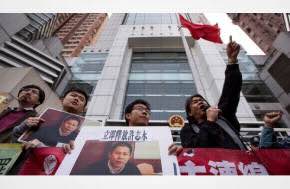
China’s crackdown on rights lawyers exemplifies a deliberate State Policy aimed at stifling Human Rights advocacy, reaching a flashpoint with Yu Wensheng’s scheduled release today, April 13, 2026. The veteran lawyer completed a three-year sentence for “inciting subversion of state power” after his 2023 arrest en route to a Beijing meeting with EU officials alongside wife Xu Yan. This incident reveals Beijing’s intolerance for legal challenges to its authority, intertwining domestic control with global scrutiny. Deputy Regional Director Sarah Brooks of Amnesty International emphasized:
Such warnings underscore fears that release may mask ongoing persecution under State Policy. The timing, coinciding with international human rights observances, amplifies the stakes for global observers monitoring China’s adherence to basic freedoms.
Background of the Case
Yu Wensheng’s ordeal stems from decades of defending dissidents, religious minorities, and state abuse victims, making him a prime target in China’s crackdown on rights lawyers. Detained on April 13, 2023, precisely three years before his release, the charges directly linked to his EU outreach were deemed baseless by observers, serving as a pretext to neutralize his voice. This mirrors broader patterns since the 2015 “709 Crackdown,” where over 300 lawyers faced detention, disbarment, or worse, as State Policy weaponizes vague national security laws against Human Rights work.
Xu Yan’s concurrent arrest highlights familial targeting, a tactic amplifying intimidation. Today’s release tests whether Beijing will honor sentence completion or impose “soft” restrictions like surveillance, perpetuating the crackdown on rights lawyers. Yu’s prior activism, including critiques of censorship and religious persecution, positioned him as a symbol of resilience, yet his case illustrates how State Policy systematically dismantles legal opposition through prolonged trials and media blackouts.
Mechanisms of Repression
Under Xi Jinping’s State Policy, the crackdown on rights lawyers employs judicial tools for political ends, with “subversion” charges enabling rapid convictions sans evidence. Post-arrest, tactics include solitary confinement, coerced confessions, and barred representation, eroding Human Rights protections. Releases often transition to residential surveillance, travel bans, and digital monitoring, rendering freedom illusory.
Yu’s EU-linked detention signals hypersensitivity to international engagement, positioning foreign contacts as threats. This evolved from the 709 era, where mass detentions decimated legal networks, leaving over 100 lawyers under restrictions. Such State Policy sustains control while dodging overt admissions of repression. Additional layers involve professional blacklisting, forcing many into menial jobs or exile, and psychological warfare through family harassment, ensuring long-term compliance even after prison terms end.
Global Advocacy Impacts
The crackdown on rights lawyers erodes Human Rights networks worldwide by deterring cross-border activism. Lawyers like Yu bridge victims to forums like the EU and UN; thwarting his meeting isolates domestic voices, fostering self-censorship. Beijing’s preemptive arrests diminish diplomatic leverage, as planned dialogues dissolve into detentions. This chills global solidarity, with patterns showing surged incidents—hundreds affected since 2015.
Amnesty International rallied 24 NGOs urging Chinese authorities to end reprisals, amplifying calls for unconditional freedom and challenging Beijing’s subversion narrative. Economically, scandals tarnish China’s image, deterring ethical investors amid reliance on Western markets. The ripple effects extend to academic exchanges and corporate due diligence, where firms now vet partners for Human Rights risks, potentially costing billions in lost opportunities and reputational damage.
Testing Beijing’s Commitments
Yu’s release today probes the facade of China’s State Policy on Human Rights. Partial liberty—family reunion sans work freedom—would validate critiques of veiled authoritarianism.
China’s Crackdown on Rights Lawyers Threatens Global Advocacy Efforts Post-EU Snub