A very obvious AI review!
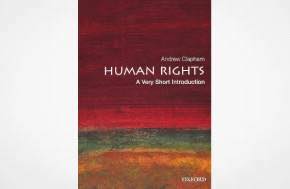
Human Rights: A Very Short Introduction is an Oxford University Press book by Andrew Clapham that gives readers a compact entry point into one of the most used, disputed, and misunderstood areas of law and politics. It belongs to the Very Short Introductions series, which means the promise is not depth for specialists, but clarity for readers who want a serious foundation without committing to a large textbook.
That promise creates the real buying tension. Human rights are too broad to be handled fully in a short book. The subject touches philosophy, international law, domestic courts, diplomacy, war, migration, equality, poverty, policing, detention, privacy, and state violence. A short introduction must be chosen. It can either give readers a clear map or become so compressed that important debates feel underdeveloped.
This book mostly succeeds because it does not treat human rights as a vague moral slogan. It introduces rights as legal claims, political arguments, institutional tools, and contested ideas. That makes it more useful than a simple inspirational book about dignity, but less demanding than a full academic treatment of international human rights law.
The best reader is someone who wants to understand the basic architecture of human rights before moving into heavier material. That includes law students before a human rights module, international relations readers, policy-minded readers, journalists, NGO workers, activists, and general readers who want a more disciplined understanding of a subject that appears constantly in public debate.
The main concern is also clear. If you already know the major treaties, regional systems, philosophical debates, and enforcement mechanisms, this book will probably feel too introductory. If you want a full global history of human rights traditions or detailed coverage of current digital rights and climate litigation, you will need more than this book. As a first serious guide, however, it offers strong value.
1. Human Rights: A Very Short Introduction in context
Human Rights: A Very Short Introduction is not trying to be the final book anyone reads on human rights. That is the correct way to judge it. Its job is to help the reader understand what human rights are, where the modern legal framework comes from, how rights are argued in practice, and why the field remains controversial.
The book is especially useful because it refuses to separate human rights from real disputes. It does not only ask what rights are in theory. It also looks at torture, arbitrary detention, free speech, privacy, equality, health, discrimination, social rights, and the death penalty. These topics matter because they show how human rights arguments work when values collide.
That practical focus gives the book more weight than many beginner texts. Human rights can easily become abstract, especially when writers stay at the level of dignity, freedom, and equality. Clapham gives the reader those foundations, but he also moves quickly toward areas where states, courts, international institutions, and citizens disagree.
Read More
https://www.diplomacyandlaw.com/post/human-rights-a-very-short-introduction-book-review