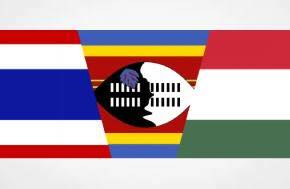
NEW YORK (April 20, 2026) — This month, the Human Rights Foundation (HRF) submitted formal contributions to the United Nations Human Rights Council’s Universal Periodic Review (UPR) of Swaziland and Thailand, as well as a joint submission for Hungary with the Artistic Freedom Initiative (AFI).
In their submission on Hungary, HRF and AFI raised concerns over Viktor Orbán’s regime’s systematic erosion of freedom of expression, assembly. Through prolonged emergency powers, restrictive laws, and politically motivated enforcement, Orbán targeted civil society and threatened protest organizers and participants with fines, surveillance, and prosecution. Independent media and journalists have faced smear campaigns, economic pressure, and unlawful surveillance. The weakening of judicial independence has further undermined due process and accountability, enabling rights violations to persist with near-total impunity.
HRF’s submission on the Kingdom of Eswatini (Swaziland) highlighted the stifling of freedoms of expression, association, and assembly, including through the continued criminalization of peaceful student activism under vague anti-terrorism laws since the widespread pro-democracy protests of 2021. Armed agents have carried out violence, harassment, and intimidation against dissidents, independent journalists, and lawyers in politically sensitive cases, with reports of pro-democracy advocates subjected to ill treatment and torture in detention. Regime critics have been targeted with extrajudicial killings and assassination attempts both inside and outside of the country. Prominent Swazi human rights lawyer Thulani Maseko was killed following reported threats to use mercenaries against pro-democracy advocates. These attacks have contributed to a climate of fear, leading to self-censorship among journalists and concerns for the safety of lawyers.
In its submission on Thailand, HRF stressed the regime’s ongoing suppression of fundamental rights, including restrictions on freedom of expression and judicial harassment of activists. Since the emergence of youth-led pro-democracy movements in 2020, more than 1,900 people have been persecuted for their participation or expression. Prominent activists, such as human rights lawyer Arnon Nampa, have been charged and detained for royal defamation under Section 112 of the Criminal Code for their calls for democratic reform of the monarchy. HRF also raised concerns about transnational repression and the regime’s collaboration with neighboring countries to systematically suppress dissent.