Source: https://oceanographicmagazine.com/news/new-zealand-bill-seeks-personhood-for-whales/
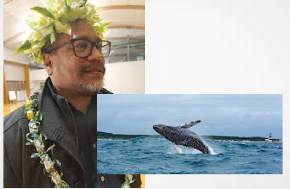
Green Party MP Teanau Tuiono has introduced the Tohor? Oranga Bill in New Zealand, seeking legal personhood for whales. The legislation recognises their rights, draws on Indigenous stewardship, and aligns with the global rights of nature movement
A parliamentary bill introduced in Aotearoa New Zealand is seeking to fundamentally reshape how whales are protected in law, proposing that cetaceans be recognised as legal persons with inherent rights. It’s a move that – if granted at a domestic level – could shape our approach to nature rights across the globe.
Green Party MP Teanau Tuiono this week launched his Member’s Bill, the Tohor? Oranga Bill, which would require decision-makers across environmental and maritime law to recognise and uphold the rights of whales.
“Our tohor? are sacred ancestors for many communities across Te Moana Nui a Kiwa, but they are under threat from commercial fishing, pollution, and climate change.” said Teanau Tuiono.
Under the Bill, whales would be recognised as having rights including freedom of movement and migration, protection of natural behaviours, and the ability to thrive in a healthy marine environment. These principles would be embedded into existing legal frameworks, influencing decisions around fishing, shipping, seabed mining, and coastal development.
“This Bill represents a transformation in how we protect our marine species and the wider moana, to create a law that would protect whales by legally recognising their mana.”
Grounded in te ao M?ori, the legislation adopts a relational, values-based approach rather than a purely extractive or harm-reduction model of conservation.
“The Bill describes te mana o te tohor? through five fundamental principles: Freedom of movement and migration, protection of natural behaviours, protection of social and cultural structures, right to a healthy environment, and the right to restoration and regeneration of habits and ecosystems.”
Ocean advocates working at the intersection of Indigenous rights and marine protection have welcomed the Bill’s introduction. Michelle Bender, an Ocean Rights Champion and a Steering Committee Member of the UN Ocean Decade, has described the moment as both historic and community-led, emphasising that the Bill builds on years of Indigenous leadership across the Pacific.
“We are excited to hear this news and report the progress achieved by local community members in advancing the rights of whales in New Zealand. This effort stems from the He Whakaputanga Moana Declaration, cultivated, led and signed by Indigenous leaders across the Pacific. This Declaration has served as the foundation for many communities and entities working to advance the Declaration in different forms and jurisdictions.”
Supporters say the proposal represents the first formal attempt in the Pacific to codify the mana and rights of whales through national legislation. In 2022, the Loyalty Islands Province of New Caledonia had passed legislation to recognise sharks and sea turtles as natural entities subject to rights, including a healthy environment. However, that legislation was later found invalid due to lack of legislative authority.
Tuiono underscored that the Bill follows Indigenous stewardship of the ocean.
“Indigenous peoples are the enduring kaitiaki of our moana. When we follow their lead, we can protect our precious species and the places they call home.”
The Bill acknowledges its origins in He Whakaputanga Moana, guided by Ng?ti Wai, and the foundational work of Hinemoana Halo, while recognising Indigenous connections across Te Moana Nui a Kiwa and beyond.
https://oceanographicmagazine.com/news/new-zealand-bill-seeks-personhood-for-whales/
Google AI
- Legal Personhood: The Bill recognizes whales as ancestors and vital components of a living ocean, granting them legal rights similar to how legal personality has been granted to natural features like the Whanganui River.
- Five Core Principles: The Bill outlines te mana o te tohor? (the authority of the whale) through:
- Freedom of movement and migration.
- Protection of natural behaviours.
- Protection of social and cultural structures.
- Right to a healthy environment.
- Right to restoration and regeneration of habitats.
- Indigenous Stewardship: The Bill draws on Te Ao M?ori (M?ori worldview) and was developed in collaboration with Ng?ti Wai and the Hinemoana Halo Ocean Fund, following the He Whakaputanga Moana (Declaration of the Ocean).
- Environmental Impact: It aims to compel decision-makers to consider the rights of whales in environmental legal proceedings, protecting them from threats such as commercial fishing and pollution.