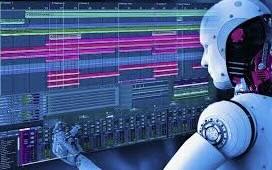
Technology has advanced quickly, leading to more AI-generated content, like music videos. A study found that almost 30% of the music industry uses AI in making music.
This growth brings up big questions about who owns AI-made music videos. As the difference between human and machine-made content gets smaller, the music world is struggling. They need to figure out the legal and moral sides of these new tools.
The argument over intellectual property laws and AI content is getting louder. As the music scene changes, it’s key to look at copyright laws now. This will help shape the future of music making.
Key Takeaways
- The music industry is increasingly adopting AI technologies in production processes.
- AI-generated music videos raise complex questions about ownership and copyright.
- The distinction between human and machine-generated content is becoming less clear.
- Intellectual property laws are being challenged by the emergence of AI-generated content.
- The future of music production will be significantly impacted by copyright law developments.
Understanding AI Generated Music Videos
The music world is changing fast with AI-generated music videos. AI tools are now used to make music in many ways. This change is making people think about generative media ethics and the future of music.
What Are AI Generated Music Videos?
AI-generated music videos are made by AI algorithms that can create music and videos. These algorithms learn from lots of data and make new content. For example, AI can write music, lyrics, or even make whole music videos. AI is getting more popular for making commercial use video.
How AI Creates Music Videos
Creating music videos with AI involves a few steps. First, AI looks at existing videos to learn patterns. Then, it uses this knowledge to make new content, like melodies or video sequences. This is changing the music world by giving artists new tools. AI can also meet specific music video licensing needs.
The Rise of AI in the Music Industry
AI is quickly becoming a big part of the music industry. Many artists and labels are using AI-generated content. This is because AI can save money, work faster, and offer new creative ideas. As AI gets better, we’ll see even more cool things in music videos. Here’s a quick summary of AI-generated music videos.
| Aspect | Description | Impact |
| AI-generated compositions | AI creates original music compositions | New creative possibilities for artists |
| AI-generated recordings | AI produces recordings of music | Cost savings and increased efficiency |
| AI-manipulated recordings | AI alters existing recordings | Enhanced post-production capabilities |
In conclusion, AI-generated music videos are changing the music industry. They offer new creative options and make us think about generative media ethics. As AI keeps getting better, it’s key to understand its impact on music’s future.
Copyright Basics
As AI-generated music videos grow in popularity, knowing copyright law is key for everyone. Copyright law protects original works like music, lyrics, and videos. It lets creators control their work.
What is Copyright?
Copyright is a law that protects creators’ rights. It covers the right to copy, share, and show their work. Copyright protection is automatic when a work is created and saved in a physical way.
“The purpose of copyright is to promote the progress of science and useful arts by securing for limited times to authors and inventors the exclusive right to their respective writings and discoveries.” – U.S. Constitution, Article I, Section 8, Clause 8
How Copyright Works in Music
In music, copyright covers the song’s composition and the recording. This means a song can have two copyrights: one for the music and lyrics, and another for the recording. AI-generated music videos can mix existing copyrights or create new ones.
Key Copyright Laws in the United States
Several laws shape copyright in the U.S. The Copyright Act of 1976 is the main law for copyright today. The Digital Millennium Copyright Act (DMCA) deals with digital copyright issues. The Copyright Term Extension Act has made copyright protection longer over time.
| Copyright Law | Description | Impact |
| Copyright Act of 1976 | Established the modern framework for copyright protection | Automatic copyright protection for original works |
| Digital Millennium Copyright Act (DMCA) | Addresses digital copyright issues and online infringement | Provides safe harbor for online service providers |
| Copyright Term Extension Act | Extended the term of copyright protection | Longer copyright protection periods |
Knowing these copyright basics is vital for dealing with AI-generated music videos. It helps protect creators’ rights in this changing world.
Who Owns AI Generated Content?
Determining who owns AI-generated content is a big issue in the music world. As AI tech gets more common in making music, questions about who owns what are growing.
The Role of AI Providers
AI providers are key in making AI-generated music. They create the tech that artists use to make music videos. The debate centers on whether AI providers should own some rights to the content.
The Artist’s Contribution
Artists also have a big role in AI-generated music. They add their ideas, pick styles, and guide the AI to make what they want. The more they contribute, the stronger their claim to owning the music.
Determining Ownership
Figuring out who owns AI-generated music is complex. Laws about AI-generated content are still changing and differ by place. Understanding these laws is key to solving ownership disputes.
https://techbullion.com/the-ethics-and-legal-aspects-of-ai-generated-music-videos/