Published on Linked In
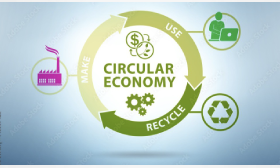
In today’s world of growing environmental consciousness and dwindling resources, the circular economy has emerged as a sustainable model that emphasizes reuse, sharing, and extending the life cycle of products. Libraries, though often not the first institutions that come to mind in sustainability conversations, have long been silent champions of this model pioneering the principles of circularity through one of their most fundamental practices: resource sharing.
? Libraries: The Original Sharing Economy
Long before the concept of the circular economy gained global traction, libraries were already practicing it. By lending books, DVDs, journals, tools, and increasingly, digital devices, libraries allow thousands of users to access resources without the need for individual ownership. This model not only promotes equity and inclusion by ensuring that resources are accessible regardless of financial background but also significantly reduces waste and resource duplication.
Think of a single hardcover novel. Without a library, that book might be printed and sold to dozens of individuals, each using it briefly before it sits idle on a shelf. In contrast, one library-owned copy of that same novel might be borrowed and read by hundreds of patrons over time. That’s circular economy in action maximizing utility while minimizing environmental impact.
? Expanding to the Digital Realm: Sharing Beyond Walls
With the rise of digital technologies, libraries have extended their sharing ethos to the virtual world. Digital lending platforms such as OverDrive, Libby, and Hoopla enable patrons to borrow eBooks, audiobooks, magazines, and movies without stepping into a physical library. This reduces the carbon footprint associated with printing, packaging, and transporting physical materials.
Moreover, digital resource sharing contributes to a dematerialized economy, one that shifts from physical goods to digital services. When a library subscribes to a digital resource or database and opens access to hundreds or thousands of users, it avoids the need for multiple subscriptions or purchases, reducing energy use and material waste tied to physical products.
A 2022 report by the International Federation of Library Associations and Institutions (IFLA) emphasized that digital resource sharing, when implemented with energy-efficient servers and mindful licensing practices, is a crucial step in aligning libraries with global sustainability goals (IFLA, 2022).
? Strength in Numbers: Consortia and Collaborative Collection Development
Another critical dimension of resource sharing in libraries is consortial collaboration. Library consortia are regional, national, or international partnerships that allow libraries to share materials, negotiate collective licenses, and access a wider pool of resources.
For instance:
- OCLC’s WorldShare Interlibrary Loan connects libraries globally, enabling them to share millions of items across institutions.
- In Nigeria, the Nigerian Library Association has promoted interlibrary cooperation through networks like the Library Consortium of Nigeria (LICON).
- Europe’s DELNET (Developing Library Network) facilitates resource sharing across over 7,000 libraries in South Asia, maximizing access while minimizing redundant collection efforts.
- In the United States, OhioLINK, a consortium of 121 libraries in Ohio, allows students and researchers to request materials across member institutions with remarkable efficiency.
These consortia reduce the need for each library to own every item, cutting down on storage needs, procurement costs, and carbon emissions related to material production and shipping. The result? A collaborative, circular knowledge ecosystem.
? Broader Environmental Impact
The environmental benefits of resource sharing in libraries are tangible. By reducing the number of copies produced and distributed, libraries contribute to:
- Lower paper consumption and deforestation.
- Reduced energy usage in publishing and transportation.
- Minimization of e-waste through shared device lending (e.g., tablets, Chromebooks, or Wi-Fi hotspots).
- Decreased need for storage infrastructure in homes and institutions.
These actions align with several UN Sustainable Development Goals (SDGs), especially Goal 12: Responsible Consumption and Production, and Goal 13: Climate Action.
? Looking Ahead: Reinforcing the Sharing Model
As we push for greener, more sustainable societies, libraries stand as powerful allies in embedding circularity into community practices. However, there’s always room to grow. Here are a few ways libraries can deepen their commitment to the circular economy through resource sharing:
- Promote community awareness of the environmental benefits of borrowing over buying.
- Integrate sustainability into collection development policies, prioritizing long-lasting and recyclable materials.
- Expand device lending programs, giving underserved users access to technology while avoiding the pitfalls of e-waste.
- Strengthen consortial partnerships, both locally and globally, to foster broader sharing networks.
? Conclusion
Libraries have always been more than just repositories of books they are living, evolving institutions that model sustainable practices in everyday operations. Resource sharing, at the heart of library service, exemplifies the circular economy in its most community-centered form. As we envision a greener future, libraries must continue to lead by example, showing how shared access, collective responsibility, and thoughtful resource use can drive real-world impact.
Further reading
References
- International Federation of Library Associations and Institutions (IFLA). (2022). Sustainability in Libraries: Supporting the UN SDGs through Information Access. Retrieved from https://www.ifla.org
- OCLC. (n.d.). WorldShare Interlibrary Loan. Retrieved from https://www.oclc.org
- OhioLINK. (n.d.). The Ohio Library and Information Network. Retrieved from https://www.ohiolink.edu
- DELNET. (n.d.). Developing Library Network. Retrieved from https://delnet.in
- Libby by OverDrive. (n.d.). Retrieved from https://www.overdrive.com/apps/libby
- Nigerian Library Association. (2021). Interlibrary Collaboration Initiatives in Nigeria. Retrieved from https://nla.ng