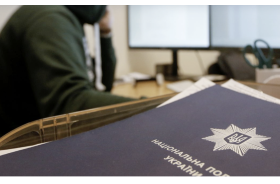
Ukraine’s IT Army emerged after Moscow’s February 2022 invasion. Comprising both international and local digital talents, this volunteer IT army collaborates with Ukraine’s defense ministry to target Russian digital infrastructure and websites. The volunteer IT army’s Telegram channel has counted upwards of 300,000 members.
This potent force is controversial. Critics accuse it of targeting civilian entities such as Russian banks and food delivery services. Its independence from Ukraine’s government creates a legal gray area and has prompted the Ukrainian government to draft a law aiming to formalize the IT Army’s status. If passed, Ukraine will align with countries such as Finland and Estonia, which maintain reserve cyber forces alongside their regular militaries.
The concept of hacktivist collectives is not new. Russian hackers targeted Georgia in 2008, preparing “staged” botnets before Moscow attacked the country.
Ukraine’s hacker militia’s main weapon is Distributed Denial-of-Service (DDoS) attacks. It has developed a network on GitHub, often breaching its terms of service. Denial of Service is a simple type of hacking attack; it attempts to shut down the targeted website by flooding it with an unmanageable volume of requests.
Although the exact tally of attacks carried out remains uncertain, estimates suggest that around 2,000 attacks were launched between February and June 2022. The IT army shut down the websites of Russian government agencies, media, and banking. It doesn’t aim to degrade ordinary Russians’ quality of life but to strategically target entities that directly or indirectly support Moscow’s war effort.
Initially, Ukraine’s IT Army only recruited via a single Telegram channel. It now has expanded into a network of individual groups, tool developers, and data-hosting platforms. While the Telegram channel’s membership has declined from its peak of 300,000, a robust network of volunteers continues to carry out attacks.
Read more at
Ukraine’s Volunteer IT Army Confronts Tech, Legal Challenges